Imaging of Vulnerable Plaque-FAQs
Imaging of Vulnerable Plaque — 60 FAQs (5 Points Each)
1. What is a vulnerable plaque?
- Plaque prone to rupture or erosion
- Characterized by thin fibrous cap
- Large lipid/necrotic core
- High inflammatory activity
- Often non-obstructive angiographically
2. Why is stenosis severity a poor predictor of MI?
- Most MIs arise from <50% lesions
- Angiography shows lumen, not wall
- Positive remodeling masks severity
- Biology outweighs geometry
- Proven in pathology–angiography studies
3. What defines thin-cap fibroatheroma (TCFA)?
- Fibrous cap <65 µm
- Lipid-rich necrotic core
- Macrophage infiltration
- Rupture-prone morphology
- Best visualized by OCT
4. Which modality best identifies TCFA?
- OCT has highest axial resolution
- Measures cap thickness directly
- Identifies rupture vs erosion
- Detects macrophages
- Superior to IVUS and CT
5. Why is OCT not used to guide preventive PCI?
- TCFA often heals spontaneously
- Many TCFAs never rupture
- Vulnerability is dynamic
- No outcome-driven trial support
- Guidelines discourage prophylactic stenting
6. What is plaque burden and why is it important?
- Total atherosclerotic volume
- Assessed best by IVUS
- Strong predictor of future events
- More important than stenosis
- Proven in PROSPECT trial
7. Key findings of the PROSPECT trial?
- Events arise from non-culprit plaques
- Plaque burden ≥70% is high risk
- MLA ≤4 mm² increases risk
- Most events are non–STEMI
- Did not support preventive PCI
8. What did PROSPECT II add?
- Integrated NIRS with IVUS
- Identified lipid-rich plaques
- High LCBI predicts risk
- Confirmed patient-level vulnerability
- Still no lesion-directed therapy
9. What is NIRS imaging?
- Spectroscopic lipid detection
- Measures lipid core burden index
- No structural imaging
- Often combined with IVUS
- Risk marker, not treatment guide
10. What is LCBI?
- Quantifies lipid signal intensity
- Expressed per 4-mm segment
- LCBI ≥400 considered high risk
- Predicts future events
- Does not indicate PCI necessity
11. Limitations of NIRS?
- No cap thickness assessment
- No plaque geometry
- Cannot detect inflammation directly
- Lesion-level prediction weak
- Adjunctive tool only
12. What is the role of IVUS in vulnerable plaque?
- Quantifies plaque burden
- Detects positive remodeling
- Assesses vessel size
- Guides stent sizing
- Cannot detect TCFA
13. Why can IVUS not detect TCFA?
- Limited axial resolution
- Cap thinner than ultrasound limits
- Lipid–fibrous interface indistinct
- Inflammation poorly visualized
- Structural, not biological tool
14. What is positive remodeling?
- Outward vessel expansion
- Preserves lumen size
- Masks disease severity
- Associated with vulnerability
- Detected by IVUS or CCTA
15. What is the CLIMA study?
- OCT-based observational study
- Identified four high-risk features
- TCFA, macrophages, lipid arc, MLA
- Predicted adverse events
- Did not justify preventive PCI
16. What did CLIMA NOT prove?
- That TCFA requires intervention
- That OCT-guided PCI prevents MI
- That vulnerability equals culprit lesion
- That morphology predicts timing
- That stenting improves outcomes
17. Role of CCTA in plaque vulnerability?
- Non-invasive whole-vessel assessment
- Detects high-risk plaque features
- Identifies positive remodeling
- Guides preventive therapy
- Best population-level tool
18. High-risk plaque features on CCTA?
- Low attenuation plaque (<30 HU)
- Napkin-ring sign
- Spotty calcification
- Positive remodeling
- High total plaque burden
19. What is napkin-ring sign?
- Central low attenuation core
- Peripheral higher density rim
- Surrogate of necrotic core
- Associated with ACS
- Seen only on CCTA
20. Key findings of SCOT-HEART trial?
- CT improves diagnosis of CAD
- Identifies high-risk plaques
- Leads to preventive intensification
- Reduces MI incidence
- Benefits driven by medical therapy
21. Why is CCTA superior to invasive imaging for risk?
- Assesses entire coronary tree
- Non-invasive and reproducible
- Captures total plaque burden
- Guides statin escalation
- Suitable for screening
22. Limitations of CCTA?
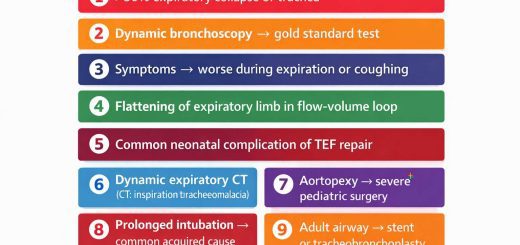
- Cannot visualize fibrous cap
- Limited inflammation detection
- Motion artifacts
- Contrast exposure
- Radiation dose
23. Role of PET imaging in vulnerable plaque?
- Detects biological activity
- FDG shows inflammation
- NaF shows microcalcification
- Strong research signal
- Not clinically routine
24. Why is PET not used routinely?
- Poor coronary spatial resolution
- Cardiac motion issues
- High cost
- Limited availability
- No outcome-guided strategies
25. What is plaque erosion?
- Endothelial denudation
- Intact fibrous cap
- Common in younger patients
- Better visualized by OCT
- Often treated conservatively
26. OCT role in ACS?
- Differentiates rupture vs erosion
- Guides antithrombotic strategy
- Assesses residual thrombus
- Optimizes stent deployment
- Improves mechanistic understanding
27. Why does plaque vulnerability not equal culprit lesion?
- Multiple plaques vulnerable
- Rupture may be silent
- Healing occurs frequently
- Inflammation is systemic
- Proven by PROSPECT
28. What is healed plaque rupture?
- Previous rupture with repair
- Layered fibrotic appearance
- Seen on OCT
- Contributes to plaque growth
- Indicates chronic instability
29. Why do statins stabilize plaques?
- Reduce lipid core volume
- Decrease inflammation
- Thicken fibrous cap
- Improve endothelial function
- Reduce clinical events
30. Effect of PCSK9 inhibitors on plaque?
- Further lipid reduction
- Decrease lipid-rich plaques
- Reduce necrotic core
- Additive to statins
- Evidence from imaging substudies
31. Why PCI fails to prevent MI in stable CAD?
- Treats focal stenosis only
- Does not modify biology
- Leaves non-culprit plaques untreated
- Proven in COURAGE
- Reinforced by ISCHEMIA
32. ISCHEMIA trial key message?
- No mortality benefit of early PCI
- Symptom relief only
- Optimal medical therapy critical
- Anatomy alone insufficient
- Reinforced systemic approach
33. Why vulnerable plaque imaging did not change guidelines?
- Lack of interventional benefit
- Dynamic plaque behavior
- High false-positive risk
- Systemic disease dominance
- Absence of RCTs
34. Current guideline position?
- No screening for vulnerable plaque
- No preventive PCI
- IVUS/OCT for PCI optimization
- CCTA for risk stratification
- Medical therapy cornerstone
35. What is “vulnerable patient”?
- Systemic inflammatory milieu
- High plaque burden
- Multiple unstable plaques
- Elevated clinical risk
- Better predictor than single plaque
36. Why is vulnerability a patient-level phenomenon?
- Plaques behave synchronously
- Inflammation is systemic
- Multiple silent ruptures
- Risk factors act globally
- Proven by longitudinal studies
37. Best imaging to assess vulnerable patient?
- CCTA for burden
- IVUS for plaque volume
- NIRS for lipid burden
- Clinical risk integration
- Not single-lesion OCT
38. Common exam trap regarding vulnerability?
- Equating severe stenosis with MI risk
- Assuming TCFA mandates PCI
- Overvaluing OCT findings
- Ignoring systemic therapy
- Confusing ischemia with instability
39. Vulnerable plaque vs ischemic plaque?
- Vulnerable = rupture-prone
- Ischemic = flow-limiting
- Not synonymous
- Different imaging targets
- Different treatments
40. Why is OCT excellent but limited?
- Superb resolution
- Limited penetration
- Requires contrast
- Focal assessment only
- Not predictive alone
41. What predicts future events better: TCFA or plaque burden?
- Plaque burden
- Reflects total disease
- Supported by PROSPECT
- TCFA is common
- Burden correlates with outcomes
42. Role of inflammation in plaque rupture?
- Weakens fibrous cap
- Activates macrophages
- Promotes matrix degradation
- Increases thrombogenicity
- Target of future therapies
43. Why anti-inflammatory therapy is attractive?
- Targets root cause
- Systemic benefit
- Complements lipid lowering
- Supported by CANTOS
- Addresses vulnerable patient
44. Why imaging predicts risk but not timing?
- Plaques evolve rapidly
- Triggers are unpredictable
- Healing–rupture cycles
- External stressors involved
- Biology exceeds resolution
45. Best single-line summary of vulnerable plaque imaging?
- Risk marker
- Not treatment trigger
- Improves prevention
- Does not guide PCI
- Patient-focused insight
46. Why dense calcification indicates stability?
- Represents healed plaque
- Low inflammation
- Thick fibrous cap
- Reduced rupture risk
- Seen in chronic disease
47. Spotty vs dense calcification?
- Spotty = active disease
- Dense = stable plaque
- Spotty linked to ACS
- Dense linked to chronic CAD
- Seen on CT/OCT
48. OCT feature of inflammation?
- High backscattering spots
- Macrophage clusters
- Surface irregularity
- Thin cap association
- Rupture risk indicator
49. Why whole-vessel assessment matters?
- MI may arise anywhere
- Culprit lesions unpredictable
- Multiple plaques unstable
- Supports CT use
- Guides prevention
50. Why prophylactic stenting is harmful?
- Treats wrong target
- Adds procedural risk
- Ignores systemic disease
- No outcome benefit
- Guideline Class III
51. PCI improves outcomes when?
- ACS setting
- Flow-limiting ischemia
- Left main disease
- Refractory angina
- Not for vulnerability
52. Future of vulnerable plaque imaging?
- Better risk stratification
- Therapy monitoring
- Drug response assessment
- Patient-level prediction
- Not lesion stenting
53. Imaging surrogate of plaque stabilization?
- Reduced lipid core
- Increased cap thickness
- Less inflammation
- Reduced remodeling
- Seen after statins
54. Why multiple imaging modalities are used?
- Each sees different biology
- No single gold standard
- Complementary information
- Improves understanding
- Does not change PCI rules
55. Vulnerable plaque imaging in daily practice?
- Not routine screening
- Research and selected cases
- PCI optimization
- Risk discussion
- Prevention focus
56. Best therapy for vulnerable plaque?
- High-intensity statins
- Risk factor control
- Antiplatelet therapy
- Lifestyle modification
- Systemic approach
57. Why is OCT popular despite limitations?
- Visual clarity
- Mechanistic insight
- PCI optimization
- Academic value
- Teaching utility
58. Vulnerable plaque imaging in NEET SS exams?
- Focus on concepts
- Trials over technology
- Patient vs plaque distinction
- Guideline alignment
- Avoid intervention bias
59. One sentence integrating all trials?
- PROSPECT showed risk source
- CLIMA showed morphology
- ISCHEMIA showed futility of routine PCI
- COURAGE reinforced medical therapy
- All favor systemic treatment
60. Final exam takeaway?
- Vulnerable plaques exist
- Most never cause MI
- Imaging predicts risk
- Statins save lives
- Treat the patient, not the plaque
Vulnerable plaque reflects biological instability, not angiographic severity.
Most myocardial infarctions arise from non–flow-limiting plaques.
Plaque burden predicts events better than single-plaque morphology.
Vulnerable plaque ≠ vulnerable patient.
Atherosclerosis is a systemic inflammatory disease.
IVUS quantifies plaque burden but cannot measure fibrous cap thickness.
Plaque burden ≥70% on IVUS predicts future events (PROSPECT).
Minimal luminal area does not equal plaque vulnerability.
Positive remodeling masks disease severity.
IVUS guides PCI optimization, not plaque prevention.
OCT is the gold standard for fibrous cap thickness.
Thin-cap fibroatheroma is defined by cap thickness <65 µm.
OCT best differentiates plaque rupture from erosion.
Macrophage signal on OCT reflects plaque inflammation.
OCT vulnerability does not mandate PCI.
NIRS detects lipid chemistry, not plaque structure.
High LCBI identifies patient-level risk, not stent targets.
PROSPECT II confirmed lipid-rich plaques as risk markers.
NIRS lacks cap thickness and inflammation assessment.
Chemical risk ≠ mechanical indication.
CCTA is the best non-invasive tool for plaque risk assessment.
Low attenuation plaque (<30 HU) predicts ACS risk.
Napkin-ring sign indicates necrotic core with thin cap.
Spotty calcification reflects active inflammation.
CCTA guides preventive intensification, not PCI.
PET imaging detects inflammation but remains research-only.
Coronary PET is limited by spatial resolution.
No PET-guided strategy has proven outcome benefit.
PROSPECT showed future events arise from non-culprit lesions.
CLIMA linked OCT vulnerability to risk, not treatment.
ISCHEMIA disproved routine invasive strategy for stable CAD.
COURAGE showed PCI does not reduce death or MI in stable CAD.
Vulnerable plaques are dynamic and often heal spontaneously.
Multiple plaques rupture silently without clinical events.
PCI treats anatomy, not inflammation.
Statins thicken fibrous caps and stabilize plaques.
Systemic therapy prevents MI better than focal stenting.
Dense calcification usually indicates plaque stability.
Spotty calcification suggests active disease.
Severe stenosis does not equal high MI risk.
Ischemic plaque and vulnerable plaque are not synonymous.
Imaging predicts risk, not rupture timing.
Guidelines do not recommend prophylactic stenting of vulnerable plaques.
Invasive imaging is recommended for PCI optimization only.
CCTA is used for risk stratification and prevention.
Treat the patient, not the plaque.