A. Specific
B. Non specific
C. Pathognomonic
D. Sensitive
A. Rubella
B. Measles
C. Scarlet fever
D. Scrub typhus
A. 10%
B. 20%
C. 30%
D. 60%
A. Opposite 1st molar
B. Hard palate
C. Soft palate
D. Tongue
1. Forchheimer spots are classically associated with which infection?
A. Rubella (German measles)
B. Mumps
C. Influenza
D. Varicella
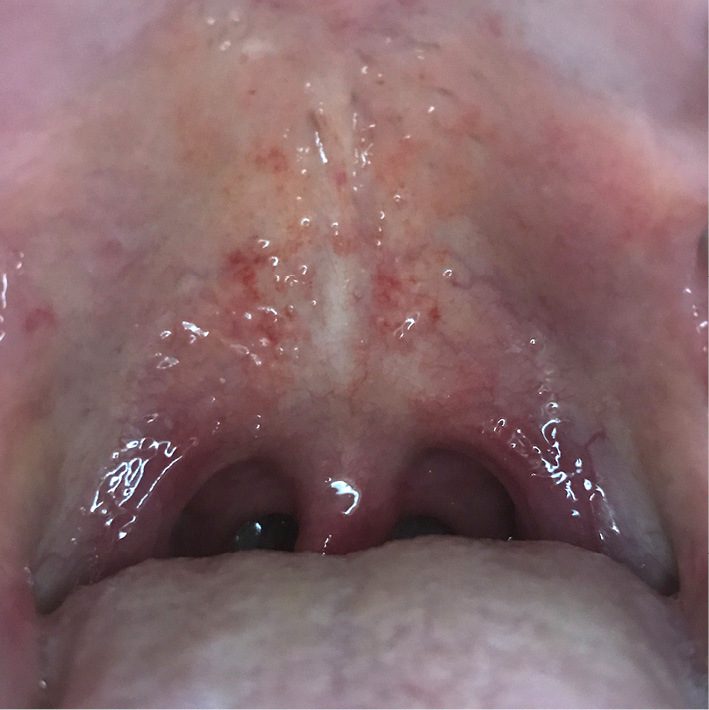
Forchheimer spots are small reddish petechiae on the soft palate, typically seen in rubella.
2. Where are Forchheimer spots typically located?
A. Buccal mucosa opposite molars
B. Soft palate
C. Tongue dorsum
D. Gingiva
They appear on the soft palate, unlike Koplik spots (measles) which occur on the buccal mucosa.
3. Forchheimer spots appear as:
A. White necrotic patches
B. Vesicular blisters
C. Small red petechial/erythematous spots
D. Brown pigmented lesions
They are petechial or erythematous macules, transient in nature.
4. Which exanthem may also show Forchheimer spots besides rubella?
A. Chickenpox
B. Kawasaki disease
C. Infectious mononucleosis
D. Roseola infantum
They can also appear in infectious mononucleosis and scarlet fever.
5. Are Forchheimer spots pathognomonic for rubella?
A. Yes, only in rubella
B. No, supportive but not exclusive
C. Yes, always diagnostic
D. Only in adults
They are not exclusive; helpful in diagnosis but not definitive.
6. Which of the following is the oral enanthem of measles?
A. Koplik spots
B. Forchheimer spots
C. Nagayama spots
D. Forscheimer rash
Measles is associated with Koplik spots on the buccal mucosa.
7. Forchheimer spots are most visible during which phase of rubella?
A. Late convalescent
B. Early rash phase
C. Incubation
D. Chronic phase
They usually appear with or just before the rash in rubella.
8. Which feature helps differentiate Forchheimer from Koplik spots?
A. Both are bluish-white
B. Forchheimer = red palate spots; Koplik = white buccal spots
C. Both occur only in adults
D. Forchheimer are ulcerative
Forchheimer = red palate petechiae; Koplik = white spots on buccal mucosa.
9. Which viral illness in children is associated with Nagayama spots?
A. Rubella
B. Measles
C. Roseola infantum
D. Scarlet fever
Nagayama spots = erythematous papules on uvula/soft palate in roseola.
10. Scarlet fever may present with which oral finding?
A. Koplik spots
B. Forchheimer spots
C. “Strawberry tongue”
D. Nagayama spots
Scarlet fever produces “strawberry tongue” and sometimes palate petechiae.
11. Forchheimer spots are usually:
A. Painful ulcerations
B. Painless petechiae
C. Crusted lesions
D. Vesicles with fluid
They are painless red macules or petechiae on the palate.
12. Which age group most commonly exhibits Forchheimer spots?
A. Elderly adults
B. Neonates
C. Children and adolescents
D. Only pregnant women
They are most often seen in children with rubella.
13. Which of the following illnesses is NOT associated with enanthem spots in the mouth?
A. Measles
B. Rubella
C. Roseola
D. Malaria
Malaria does not cause oral enanthems; others may.
14. Which diagnostic clue is more specific for measles than rubella?
A. Koplik spots
B. Forchheimer spots
C. Strawberry tongue
D. Nagayama spots
Koplik spots are pathognomonic for measles.
15. Forchheimer spots usually resolve:
A. After 2 weeks
B. Within a few days as rash spreads
C. Persist for months
D. Leave scars
They are transient, resolving quickly with the rash.
16. Which disease is associated with “blueberry muffin” rash in newborns?
A. Measles
B. Congenital rubella
C. Scarlet fever
D. Roseola
Congenital rubella causes “blueberry muffin” rash due to extramedullary hematopoiesis.
17. The triad of congenital rubella syndrome includes:
A. Jaundice, edema, seizures
B. Cataracts, PDA, deafness
C. Anemia, hepatomegaly, rash
D. Hydrocephalus, spina bifida, glaucoma
The classic Gregg triad is congenital cataracts, PDA, and sensorineural deafness.
18. Which virus causes rubella?
A. Togavirus
B. Paramyxovirus
C. Herpesvirus
D. Adenovirus
Rubella is caused by the Rubella virus, a member of the Togaviridae family.
19. Which clinical feature best distinguishes rubella from measles?
A. High fever
B. Tender postauricular lymphadenopathy
C. Severe conjunctivitis
D. Photophobia
Postauricular and suboccipital lymphadenopathy is characteristic of rubella.
20. Forchheimer spots are best described as:
A. Petechial enanthem of rubella
B. Vesicular eruption of chickenpox
C. Ulcerative lesion in diphtheria
D. Gray membrane in pharyngitis
They are petechial enanthem spots on the soft palate in rubella.
rubella, Rubella oral lesions, Rubella soft palate spots, Rubella enanthem,Forchheimer vs Koplik spots, Koplik spots measles, Nagayama spots roseola, Strawberry tongue scarlet fever, Rubella clinical features, Rubella vs measles oral signs, Rubella rash lymphadenopathy, Rubella diagnosis oral findings, Rubella enanthem vs exanthem, Rubella triad rash lymph nodes fever, Rubella palate petechiae, Viral exanthems oral lesions, Enanthems in pediatric viral illnesses